
Fix Your Dryer Vent Before It Fails
Dryer vent re-routes correct improper venting in Wilmington and restore safe, efficient airflow
Your dryer should vent directly to the outside through the shortest path possible, but many homes in Wilmington have vents that snake through walls, take unnecessary turns, or stretch too far to work properly. When your dryer takes longer to finish a load or the laundry room feels warmer than usual, your vent system may be routed incorrectly. Burn Clean Inc re-routes dryer vents to reduce lint buildup, improve drying performance, and remove fire hazards caused by poorly designed vent paths.
Improperly routed dryer vents often result from renovations, code violations, or original construction shortcuts that force air through excessive bends or extended runs. A re-route shortens the distance, replaces restrictive fittings, and repositions the vent termination to meet current building codes. This service corrects the physical path your dryer uses to expel hot, moist air and prevents lint from accumulating in sections that trap debris and restrict airflow.
If your dryer struggles to dry clothes or you notice lint escaping near the vent, schedule a vent inspection in Wilmington to determine whether a re-route is needed.
What Changes After a Vent Re-Route
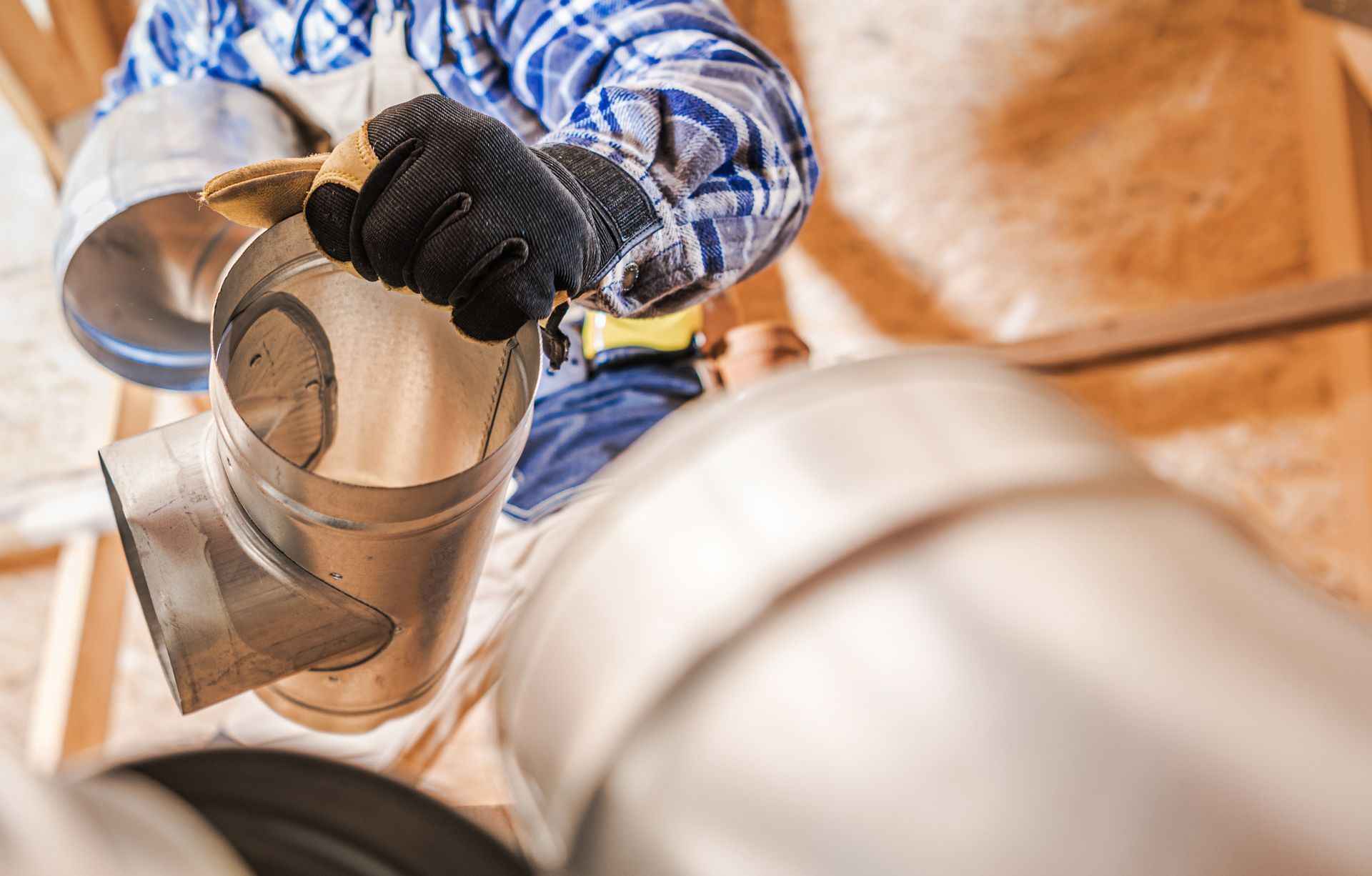
A vent re-route involves physically rerouting ductwork from your dryer to the exterior wall or roof, removing long runs, sharp bends, and flexible ribbed tubing that traps lint. The work typically requires accessing wall cavities or attic spaces in Wilmington homes, cutting new vent paths, and installing rigid metal ducting that supports steady airflow. The original vent opening is sealed, and a new termination point is installed where it provides the most direct path to the outside.
After Burn Clean Inc completes the re-route, you will notice shorter drying times, cooler surfaces around the dryer, and less lint escaping from the rear or sides of the appliance. The dryer runs quieter, uses less energy, and stops overheating because air moves through a clear, code-compliant path. The new vent also reduces the risk of lint ignition, which is the leading cause of dryer fires in residential properties.
Re-routes are designed for residential and commercial properties and address long vent runs, flexible duct problems, and layouts that violate local building codes. The service does not include repairs to the dryer itself or modifications to electrical or gas connections. If your current vent system is accessible and the dryer operates normally otherwise, the re-route restores proper function without replacing the appliance.
Questions About Re-Routing Your Dryer Vent
Homeowners often wonder whether their vent layout can be corrected without major construction or if the work will require cutting into finished walls.
What makes a dryer vent improperly routed? Your vent is improperly routed if it runs longer than 25 feet, includes more than two 90-degree bends, or uses flexible ribbed tubing that traps lint and restricts airflow.
How long does a vent re-route take? Most residential re-routes in Wilmington are completed in two to four hours, depending on wall access, the location of the new termination point, and whether framing adjustments are required.
Why does a long vent run cause problems? Long runs reduce airflow velocity, allowing lint to settle inside the duct instead of being expelled outside, which increases fire risk and forces your dryer to run longer cycles.
What type of duct material is used during a re-route? Rigid metal ducting is installed because it provides smooth interior walls, resists crushing, and does not sag or trap lint like flexible alternatives.
When should I consider a vent re-route instead of just cleaning? You should consider a re-route if cleaning does not improve drying performance, if your vent path includes multiple turns or uses prohibited materials, or if a code inspector flags the system during a home inspection.
Burn Clean Inc provides free estimates that include a walk-through of your current vent path and a clear explanation of what the re-route will involve. If your dryer is taking longer to finish loads or you have been told your vent does not meet code, contact the team to evaluate whether a re-route will restore safe, efficient operation.